Ahsan Iqbal Calls on Youth to Lead Pakistan’s Progress
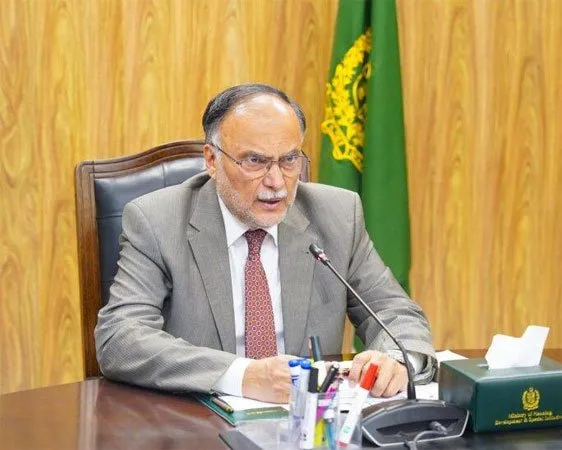
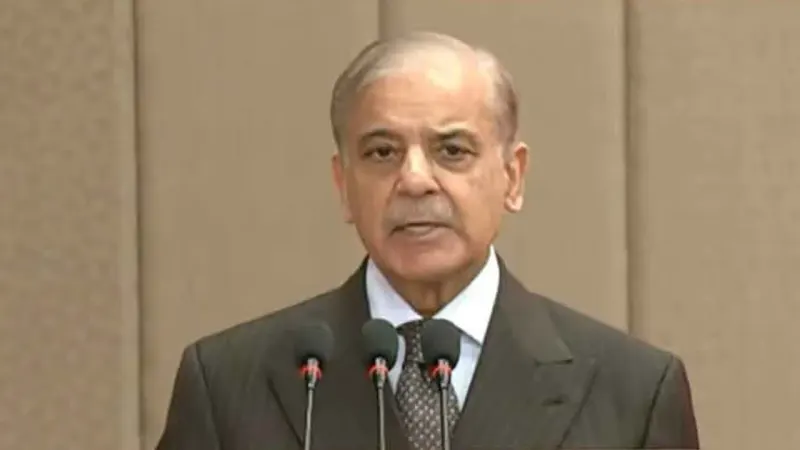
ISLAMABAD: Federal Minister for Planning, Professor Ahsan Iqbal, has called on Pakistan’s youth to take charge in leading the nation’s “Marka-e-Taraqqi” (battle for progress), emphasizing that the next two decades are crucial for Pakistan’s transformation into a strong and developed country.
Speaking at a seminar titled “The Role of Youth as Global Leaders in an Emerging Pakistan”—held at the Islamic Research Institute in connection with Pakistan’s 78th Independence Day—Ahsan Iqbal stressed that sustainable development requires unity, peace, discipline, and civic responsibility. The event was jointly organized by the International Islamic University, the Ministry of Education and Professional Training, and included a national book exhibition.
Highlighting national challenges, he said Pakistan’s progress was hampered by the failure to embrace new trends since 2018, but the government is now determined to restore momentum through initiatives like the Udan Pakistan program, which he described as a “guarantee of progress and prosperity.”
Ahsan Iqbal further underlined the importance of artificial intelligence (AI) in modern governance and problem-solving, calling it essential for building efficient systems. He maintained that political stability will remain the cornerstone of sustainable growth.
Minister of State for Education and Professional Training, Wajiha Qamar, the Guest of Honor, highlighted education as the foundation of national prosperity. She, along with other speakers, praised the youth’s past contributions in defending Pakistan’s ideological and national frontiers, especially their active support for the armed forces on social media during national challenges.
“Youth are Pakistan’s greatest asset,” speakers said, underscoring that with responsibility, unity, and constructive engagement, the younger generation can overcome polarization and ensure peace.
The seminar, featuring a large number of students, also marked the formal inauguration of the national book exhibition by Wajiha Qamar, reinforcing the theme that knowledge and education remain the pillars of progress.
Related stories
 Education
Punjab Boards Announce Intermediate Part-I Results 2026
 Education
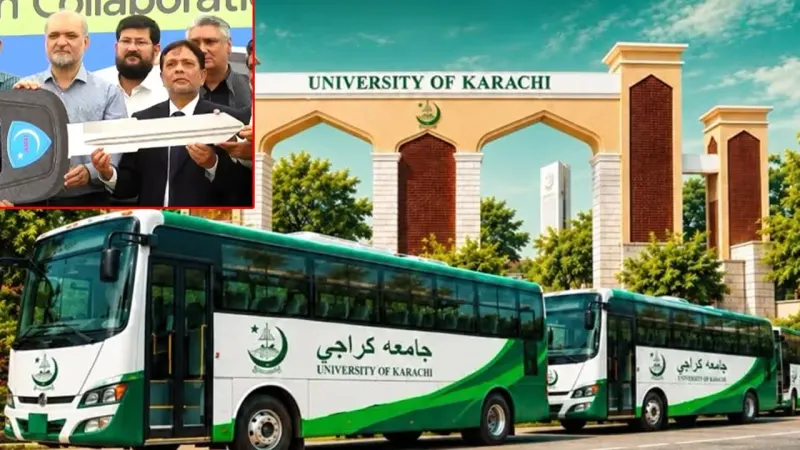
JI-Led Towns Donate Eight Buses to Karachi University
 Education
BISE Sahiwal 11th Class Result 2026 Announced: How to Check
 Education
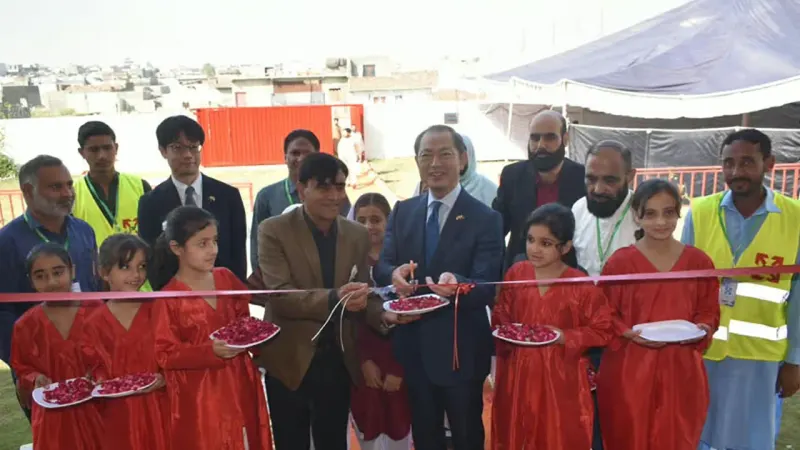
Japan-Funded Girls’ Primary School Opens in Islamabad
 Education
4,000 Free AI Subscriptions for Pakistan: How Students and Teachers Could Benefit
 Education