High Stakes as State Bank Meets Today to Decide New Monetary Policy
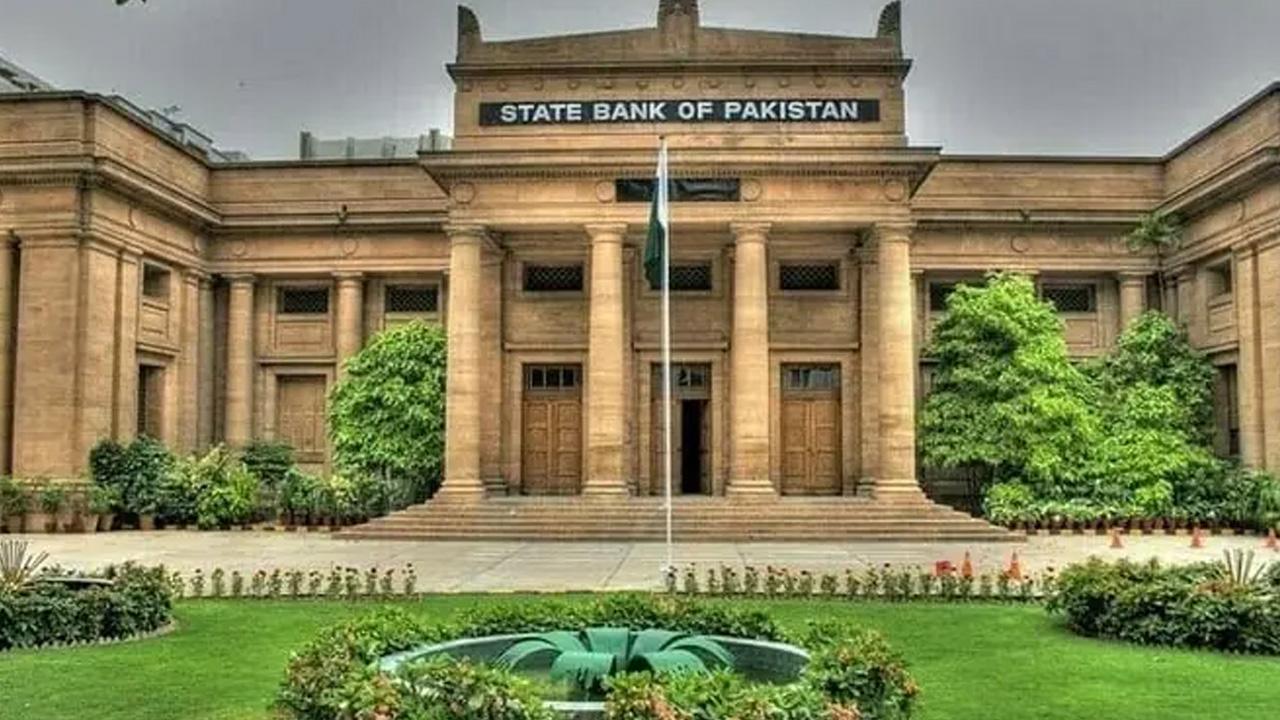
KARACHI / ISLAMABAD — The Monetary Policy Committee (MPC) of the State Bank of Pakistan (SBP), chaired by Governor SBP, is convening today to formulate the nation’s monetary policy stance for the upcoming period. The high-stakes meeting comes at a delicate juncture as central bankers balance domestic inflation targets against rising global energy market volatility and broader geopolitical uncertainties.
Financial markets, commercial banks, and industrial sectors across the country are watching the decision closely. Most market analysts and brokerage houses broadly expect the central bank to maintain a cautious stance, weighing the need to safeguard macroeconomic stability against persistent calls from the business community for interest rate relief to stimulate growth.
1. Market Consensus Points to Cautious Stance Amid Global Headwinds
The primary factor dominating today’s monetary policy deliberation is heightened international uncertainty, particularly in global commodities and energy markets. Recent tensions and supply disruptions in the Gulf region have pushed global crude oil prices upward, presenting fresh risks to the import bill and domestic fuel pricing.
Given these external vulnerabilities, financial experts anticipate that the MPC will choose prudence over aggressive easing.
2. Navigating the Inflation Trajectory vs. Economic Growth
Over the past year, headline consumer price inflation has shown structural moderation compared to peak historical levels. However, core inflation and lingering supply-side risks keep central bankers vigilant.
While decelerating headline inflation provides theoretical room for monetary accommodation, the SBP remains legally mandated under the SBP Act to prioritize domestic price stability and align inflation with its medium-term target of 5% to 7%.
3. Business Community Demands Growth Stimulus
In contrast to market analysts favoring a cautious hold, Pakistan’s business community and trade associations are strongly advocating for monetary easing. Business leaders argue that prolonged elevated borrowing costs continue to restrict private sector expansion, increase cost-of-doing-business, and drag down industrial production in key export-oriented sectors like textiles and manufacturing.
Industry representatives emphasize that with headline inflation coming down significantly from past peaks, maintaining a high policy rate creates an excessively high positive real interest rate. They urge the State Bank to provide a decisive signal to lower borrowing costs, which would incentivize private sector credit uptake, boost Large-Scale Manufacturing (LSM), and create employment opportunities.
“Lowering cost of capital is essential to revitalize the industrial engine. A supportive monetary environment will boost private investment, encourage capacity expansion, and improve export competitiveness.”
4. Aligning with External Programs and Fiscal Reforms
Today’s monetary policy decision also takes place against the backdrop of ongoing structural economic reforms and multilateral commitments. Adhering to a disciplined, market-based monetary policy mix is a critical condition for structural programs with international financial institutions.
Furthermore, fiscal consolidation efforts by the government—including revenue collection targets and fiscal deficit controls—depend heavily on close alignment with the central bank. A coordinated monetary-fiscal policy mix ensures that government borrowing remains disciplined without forcing central bank monetizations.


Govt To Make Easier Bank Loans For SMEs, Farmers And Homebuyers
Govt to Make Bank Loans Easier for SMEs, Farmers, and Homebuyers By Economy.pk Staff Writer Pakistan stands at a critical...