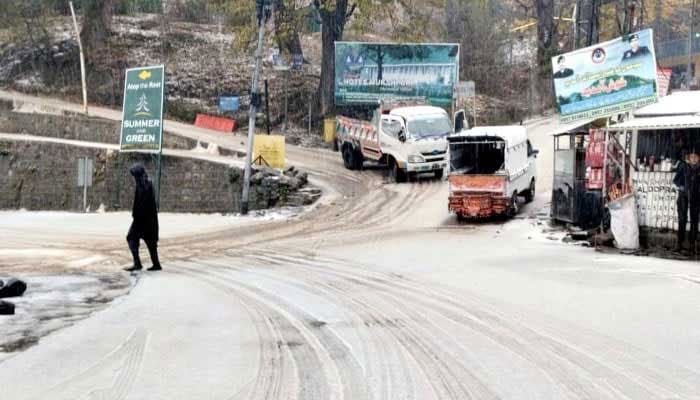
Extreme Meteorological Threat Assessments
Central meteorological agencies have forcefully escalated localized regional threat assessments in direct response to an imminent, highly destructive atmospheric anomaly.
This severe, extremely volatile weather system is aggressively projected to heavily impact the entire northwestern geographical corridor with uncompromising force.
The highly unstable forecasting matrix violently mandates the absolute, immediate preparation for extreme, torrential rainfalls.
These massive, highly concentrated precipitation events will be directly and ruthlessly accompanied by heavily destructive, high-velocity windstorms.
In direct response to this severe natural threat, provincial disaster management authorities have strictly issued unyielding high-alert advisories.
These highly critical emergency communications have been forcefully distributed across all localized operational networks and central civic management frameworks.
This aggressive, top-down administrative intervention forcefully aims to immediately mobilize absolutely all active emergency rescue apparatuses.
The absolute primary objective of this massive deployment is to fundamentally secure highly vulnerable, densely populated civilian zones.
Simultaneously, the state must heavily fortify critical localized transit and utility infrastructure against rapid, completely catastrophic structural failure.
Central authorities absolutely demand immediate, unconditional public compliance with strict safety protocols, recognizing the severe atmospheric volatility.
Current meteorological models actively predict that these highly unstable environmental conditions will deteriorate with extreme, uncompromising velocity.
Topographical Vulnerabilities and Structural Collapse Risks
At the absolute operational center of this massive administrative warning is the severe, undeniable threat of violent, high-volume flash flooding.
Central meteorological forecasters have strictly identified heavily populated, highly critical urban centers as severe vulnerability zones.
This strict threat assessment specifically highlights the massive metropolitan hubs of Peshawar, Nowshera, and Charsadda as highly compromised operational areas.
These highly concentrated, densely populated localized districts are aggressively facing the immediate, severe danger of catastrophic urban inundation.
This severe flooding threat is directly driven by heavily compressed, massive volumes of sudden, unrelenting precipitation violently overwhelming standard civic drainage systems.
Furthermore, the deeply treacherous, highly volatile mountainous terrains located directly in the northern geographical sectors face an extreme hazard.
These massive, highly elevated zones face an unyielding, deeply lethal threat of sudden, catastrophic structural landslides.
This specific, highly destructive topographical hazard threatens to violently sever vital structural transit routes and complex logistical arteries.
Such catastrophic geological failures aggressively threaten to permanently isolate massive, deeply remote civilian communities from critical emergency supply lines.
The accompanying severe, high-velocity wind gusts explicitly possess the devastating mechanical force strictly required to completely shatter fragile surface infrastructure.
Central disaster authorities aggressively warn that standard elevated electrical grids face imminent, violent destruction during the storm’s peak atmospheric trajectory.
Furthermore, heavy commercial advertising billboards and massive, highly exposed localized solar energy arrays are currently operating under severe, immediate threat of catastrophic structural failure.
Mobilizing the Emergency Response Matrix
In a highly aggressive, heavily calculated maneuver to fundamentally mitigate the lethal physical impact of this massive atmospheric assault, state rescue units are rapidly deploying.
These heavily fortified, highly specialized emergency contingents are aggressively penetrating directly into the most severely active, high-danger disaster zones.
This uncompromising, high-velocity operational acceleration strictly follows verified, highly grim preliminary incident reports.
These severe dispatches forcefully confirm multiple tragic civilian casualties directly resulting from highly localized, catastrophic structural collapses.
The violent, highly destructive weather matrix has already ruthlessly claimed multiple civilian lives and heavily inflicted severe physical trauma on dozens of regional inhabitants.
Central disaster management executives are actively utilizing highly sophisticated, deeply advanced logistical frameworks to rapidly distribute vital, life-sustaining survival resources.
District administrative divisions are strictly mandated to aggressively coordinate massive, heavily synchronized physical relief efforts.
This highly critical emergency execution must completely bypass any deeply destructive, highly restrictive bureaucratic hesitation or standard administrative latency.
This deeply calculated, high-stakes emergency engineering is absolutely, fundamentally necessary to maintain the relentless physical momentum strictly required to rescue severely trapped civilians.
Uncompromising Continuity of Core Civic Operations
The comprehensive, state-backed disaster response strategy also heavily incorporates a highly aggressive, deeply calculated structural communication framework.
State directives explicitly assert that the complete, entirely uninterrupted transmission of highly vital, localized weather data is strictly instrumental to massive civilian survival.
Central emergency command units are heavily integrating modern, high-capacity, highly secure tracking systems directly into local civic management operations.
This advanced, heavily fortified digital nervous system actively provides emergency logistics operators with unparalleled, real-time, ultra-high-resolution oversight.
It forcefully monitors the entire sprawling, highly destructive atmospheric trajectory to anticipate catastrophic ground-level structural failures before they fully materialize.
This advanced oversight actively enables the immediate, highly calculated rerouting of massive, heavy-duty emergency relief convoys.
This tactical maneuvering aggressively allows critical supply lines to actively avoid sudden, massive physical structural blockages or highly dangerous localized flooding zones.
The flawless, highly synchronized implementation of these advanced electronic warning systems firmly elevates the localized disaster response network.
It pushes these critical state apparatuses directly to a state of strict, entirely uncompromising, high-velocity operational readiness.
The central administration aggressively guarantees that continuous, highly diversified financial and heavy physical resources remain strictly reserved for this effort.
These massive, highly leveraged capital injections are violently shielding the overarching recovery operation from highly destructive, mid-crisis logistical pauses.
Assessing Long-Term Regional Structural Resilience
The aggressive, state-backed, heavily accelerated deployment of these massive emergency forces is absolutely not merely a localized, isolated operational reaction.
It represents a highly calculated, deeply aggressive, real-time physical stress test of the region’s entire foundational structural resilience.
The overarching objective is to ruthlessly evaluate the state’s capacity to forcefully withstand extreme, heavily compounding, high-velocity natural disasters.
By systematically establishing highly efficient, heavily fortified emergency command and control centers, the state is actively seeding massive new logistical capabilities.
These newly designated, highly optimized rapid-response hubs will aggressively exploit centralized data to fiercely accelerate life-saving physical interventions.
This massive, highly calculated structural synergy between high-speed meteorological forecasting and massive localized rescue execution permanently shifts the paradigm.
It violently forces the deeply vulnerable region into a permanently elevated state of unyielding, highly advanced operational readiness.
The state forcefully acknowledges that heavily optimizing these critical, high-stakes emergency supply chains is an absolute, non-negotiable operational baseline.
It is strictly required to successfully survive the severe, continuous, and highly destructive impacts of extreme, unyielding atmospheric volatility.
Any localized administrative inertia, structural hesitation, or severe logistical delays in executing these strict life-saving mandates will not be tolerated.
Such operational failures will be immediately and heavily penalized by uncompromising, highly aggressive central oversight committees.
Ultimately, this uncompromising, unyielding commitment to severe emergency infrastructural modernization drastically enhances overarching domestic stability.
This perfectly interconnected, highly resilient strategy aggressively positions the regional grid to entirely dominate, rather than succumb to, intense future climatic shocks.