Fuel Prices Set to Jump Again as Iran-US Tensions Rattle Oil Markets
Pakistani motorists and transporters are bracing for another round of sticker shock at the pump, with petroleum prices expected to climb sharply from July 18 as fallout from the renewed Iran-US conflict pushes global oil costs higher.
According to industry sources cited by The News, high-speed diesel (HSD) — the fuel that keeps the country’s trucking, agriculture, and public transport sectors running — could see prices jump by as much as Rs40 per litre. Petrol isn’t far behind, with an expected increase of around Rs10 per litre in the upcoming fortnightly review.
The numbers aren’t final yet. They’re based on preliminary calculations drawn from just the first four days of Platts price assessments, the international benchmark Pakistan uses to set domestic fuel prices. One more day of pricing data still needs to come in before the government locks in its final decision. Officials have indicated they’re weighing whether to trim the petroleum levy slightly, a move that could take some of the sting out of the hike for ordinary consumers.
Why This Is Happening
The root cause traces back to the Middle East, where tensions between Iran and the United States have flared up again, sending shockwaves through global energy markets. Because Pakistan imports the bulk of its petroleum needs, it has little insulation from these international price swings — when crude gets more expensive on the world market, it shows up at local pumps within weeks, sometimes days.
This isn’t a new vulnerability. Pakistan’s economy has long been tethered to global oil prices, and every time geopolitical tensions spike in oil-producing regions, the domestic fuel bill follows suit. This time, the Iran-US standoff has reignited exactly those fears, and traders and analysts are already pricing in the risk of further disruption to global energy supply chains.
Hoarding Adds to the Pain
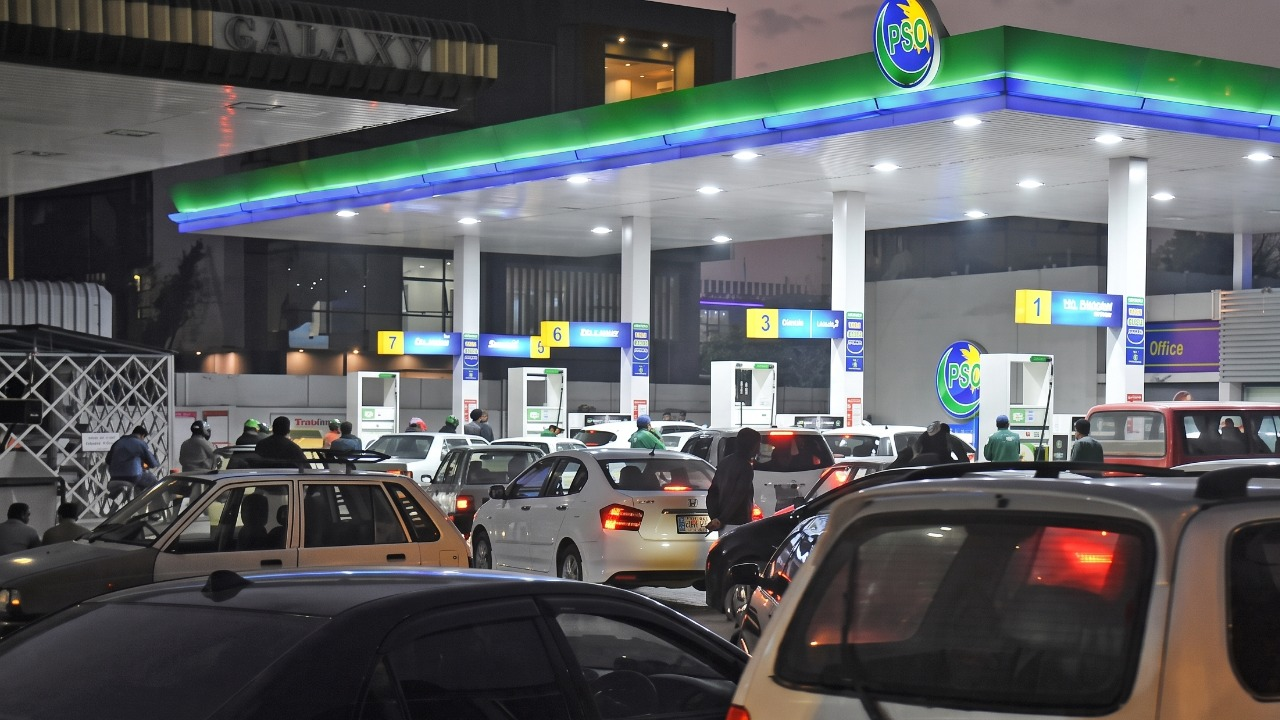
As if the looming price hike wasn’t enough, the anticipation of it has created a problem of its own: hoarding. Reports from various parts of the country suggest that some dealers and distributors have started stockpiling high-speed diesel, betting that they can sell it at a premium once new prices kick in.
The result has been exactly what you’d expect — shortages. Several filling stations have reportedly run dry of diesel stocks in recent days, leaving drivers stranded or forced to hunt for fuel elsewhere. What’s notable, though, is that this isn’t actually a supply problem. Officials insist the country’s overall petroleum inventory remains healthy. The shortages are artificial, created by people trying to profit from the price gap rather than any genuine scarcity.
Government Steps In
The situation escalated enough to land on the agenda of the National Committee on Monitoring and Coordination (NCMC), which brought together the Oil Companies Advisory Council (OCAC), the Oil and Gas Regulatory Authority (Ogra), and other key stakeholders for a closer look.
During the meeting, OCAC representatives flagged something unusual: petroleum sales during the first half of July spiked well beyond normal seasonal patterns. That’s not typically a good sign — a sudden surge in demand without a matching rise in genuine consumption usually points to stockpiling rather than people actually filling up their tanks for everyday use.
OGRA’s own analysis backed this up, suggesting the sales spike lines up with dealers and distributors positioning themselves ahead of an expected price jump. In plain terms: some in the supply chain saw the hike coming and decided to hold back fuel now so they could sell it at inflated prices later.
The NCMC didn’t take this lightly. It has directed Ogra to tighten its enforcement mechanisms and step up market monitoring to catch and deter this kind of speculative hoarding. Provincial governments have also been asked to get involved, with instructions to carry out inspections and take swift action against anyone caught manufacturing artificial shortages or otherwise disrupting the fuel supply chain.
No Need to Panic, Officials Say
For all the disruption at the pump level, officials are trying to reassure the public that there’s no real crisis brewing. They’ve repeated that the country’s petroleum stocks are sufficient to meet demand and that there’s no legitimate reason for people to panic-buy or for dealers to hoard supplies.
Oil marketing companies and other stakeholders have been told in no uncertain terms to keep the supply chain moving and make sure ordinary consumers aren’t left inconvenienced while this plays out. Whether that message translates into fuel actually being available at every pump remains to be seen, especially in areas where shortages have already taken hold.
What Happens Next
For now, all eyes are on the final Platts assessment and the government’s decision on whether — and by how much — to adjust the petroleum levy. If officials do decide to absorb part of the international price increase through the levy, it could soften the blow for consumers, though it would also mean less revenue for the government at a time when fiscal pressures are already a persistent headache for policymakers.
Either way, the broader lesson here isn’t new: as long as Pakistan remains heavily dependent on imported oil, its fuel prices will keep rising and falling with events thousands of miles away — whether that’s a conflict in the Middle East, a shipping disruption, or a shift in global demand. For now, though, the immediate concern is more local: making sure that the panic and profiteering triggered by the news doesn’t end up causing more disruption than the price hike itself.

Pakistan repays debt of around Rs4722b ahead of schedule
Adviser to Finance Minister Khurram Schehzad says Pakistan has repaid debt of around 4722 billion rupees ahead of schedule, marking...