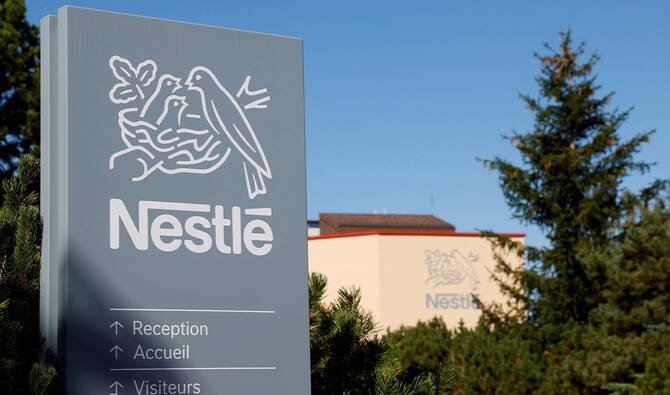
Nestle has announced an additional investment of $60 million in Pakistan, aiming to significantly expand its operations within the country. This move underscores the company’s commitment to Pakistan’s market and its potential as a regional manufacturing and export hub.
Investment Announcement at World Economic Forum
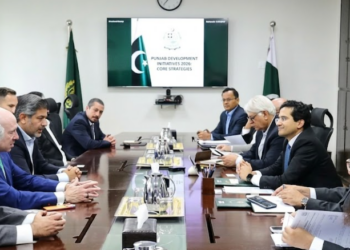
The announcement was made during a high-level business roundtable held on the sidelines of the World Economic Forum (WEF) in Davos. Finance Minister Muhammad Aurangzeb met with Remy Ejel, Nestle’s Executive Vice President and CEO for Asia, Oceania, and Africa, where the investment plans were discussed.
The roundtable gathered CEOs and senior leaders from global corporations to discuss Pakistan’s reform agenda, investment climate, and long-term growth prospects. The government aims to promote policy predictability, economic formalisation, and sustainable, export-oriented growth through ongoing engagement with multinational investors.
Details of Nestle’s Expansion
- Nestle plans a robust expansion of its operations in Pakistan.
- The company intends to use Pakistan as a regional manufacturing and export hub, exporting products to 26 countries.
- Nestle anticipates strong business growth in Pakistan in the coming years.
- The strategy focuses on localisation, advanced manufacturing, sustainability, and agricultural transformation.
- Pakistan’s demographic profile and growing nutrition needs are seen as key drivers for growth, similar to trends in Southeast Asia.
Government Response and Economic Outlook
Finance Minister Aurangzeb welcomed the investment as a strong endorsement of Pakistan’s economic reforms and formalisation efforts. He reiterated the government’s commitment to strengthening the tax ecosystem, ensuring policy consistency, and facilitating responsible long-term investment.
The minister highlighted Pakistan’s opportunities in affordable nutrition, climate-resilient dairy, local sourcing, and export-oriented manufacturing. He emphasized the government’s goal to position Pakistan as a competitive base for regional production and global value chains.
Socar Plans Investment in Pakistan’s Oil and Gas Sector
In a related development, the State Oil Company of the Republic of Azerbaijan (Socar) announced plans to finalize its investment in Pakistan’s oil and gas sector by February. Socar’s president, Rovshan Najaf, shared this during the same business roundtable.
Socar views Pakistan as a long-term energy partner due to its growing energy demand and reform momentum in the sector. The company already has a commercial presence through Socar Trading, providing flexible liquefied natural gas arrangements.
Najaf expressed interest in expanding cooperation with Pakistan State Oil and across the broader oil and gas value chain. He highlighted Socar’s experience as a national energy company from an emerging economy, positioning it as a credible long-term partner.
Government Commitment to Energy Sector Reforms
Finance Minister Aurangzeb reaffirmed the government’s dedication to attracting strategic investments in oil, gas, and mining sectors, which are vital for energy security and industrial growth. Ongoing reforms aim to improve pricing transparency, contractual clarity, and risk-sharing to encourage sustained private-sector participation.