The Pakistan-China Agri-Investment Conference recently concluded with the signing of 79 memoranda of understanding (MoUs) valued at $4.5 billion, marking a significant step in strengthening bilateral cooperation in agriculture and food sectors.
Conference Objectives and Participation
Minister for National Food Security and Research, Rana Tanveer Hussain, stated that the conference was designed to foster investment partnerships and facilitate direct business engagements between Pakistani and Chinese companies. The event invited 116 Chinese and 165 Pakistani firms, promoting collaboration across priority agricultural sub-sectors.
Showcasing Investment Potential and Policy Reforms
The forum aimed to highlight Pakistan’s agricultural value chains, investment opportunities, and recent policy reforms introduced by the government. It also focused on strengthening institutional linkages between public and private sectors to support technology transfer, value addition, and supply chain development.
Implementation and Future Plans
A dedicated wing has been established within the Ministry of National Food Security and Research to ensure the swift execution of the signed MoUs. Additionally, an agriculture wing will be set up at Pakistan’s Embassy in China to further enhance bilateral agricultural cooperation.
Agriculture’s Role in Pakistan’s Economy
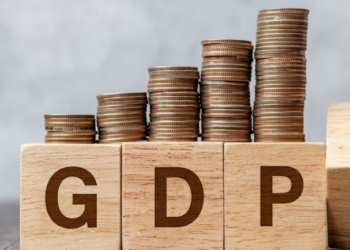
Highlighting agriculture’s contribution to the national economy, the minister noted that the sector accounts for approximately 26 percent of Pakistan’s GDP. The livestock segment represents about 60 percent of the total agricultural output. The government is keen to adopt the Chinese agricultural development model, continuing efforts from previous forums.
Export Improvements and Challenges
Regulatory frameworks have been strengthened to boost agricultural exports, resulting in a reduction of export interceptions by importing countries from 377 to 36. However, a decline in international commodity prices has impacted exports of products like rice. Plans are underway to enhance exports of rice, meat, and other agro-products.
Reducing Import Dependency
The government is also focusing on lowering the import bill for agro-based commodities, such as edible oils, by encouraging the cultivation of oilseeds like sunflower and canola.