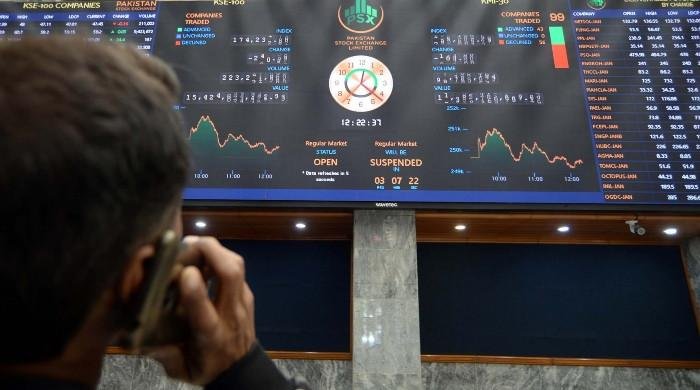
Pakistan is preparing to make a comeback to the global bond market after a four-year absence, signaling progress in its economic stability following a period of financial challenges. The government is also planning to launch the country’s first-ever panda bond in the coming weeks, marking a significant step in its financial strategy.
Plans for Bond Market Re-entry
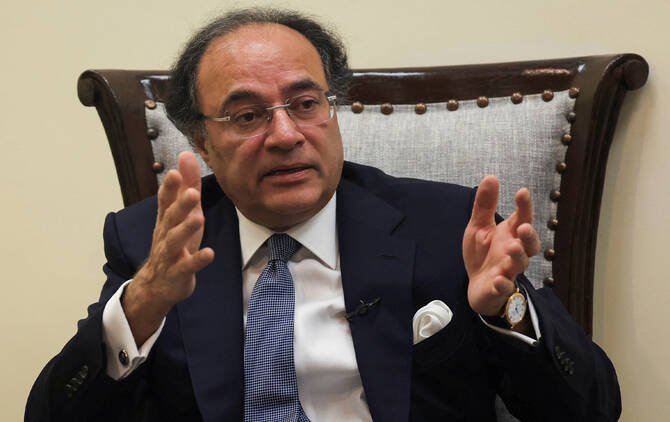
Finance Minister Muhammad Aurangzeb, speaking at the World Economic Forum Annual Meeting 2026 in Davos, revealed that Pakistan will soon invite proposals from advisers to facilitate the bond issuance. The government is currently evaluating options to issue bonds in dollars, euros, or sukuk formats.
Economic Stabilization and Indicators
Aurangzeb emphasized that Pakistan has consolidated gains in macroeconomic stability. Key indicators such as inflation, interest rates, fiscal balance, and the current account have shown clear improvement. Inflation has notably dropped from a peak near 40% to single digits, and foreign exchange reserves are expected to cover three months of imports by June, meeting global benchmarks.
Credit Ratings and Currency Outlook
International credit rating agencies including Moody’s, S&P, and Fitch have upgraded Pakistan’s ratings, reflecting improved economic conditions. The finance minister also indicated that there is no immediate pressure on the Pakistani rupee.
Structural Reforms and Privatization Efforts
Alongside macroeconomic stabilization, Pakistan is advancing long-delayed structural reforms. These include expanding the tax base and privatizing government-owned enterprises. Following the recent successful privatization of Pakistan International Airlines, the government is now pursuing the sale of a stake in the Roosevelt Hotel in New York.
Focus on Export-Led Growth
Aurangzeb highlighted the government’s intention to shift towards export-driven growth to avoid the balance-of-payments issues caused by import-heavy expansions. He stressed the importance of maintaining the reform momentum as the only sustainable path to economic growth.