The Danish government has announced a landmark plan to ban social media use for children under the age of 15, in a move designed to protect the mental health and well-being of young people increasingly affected by digital exposure.
Under the proposed law, parents will still be able to grant limited permission for children as young as 13 to access certain online platforms under supervision, ensuring some flexibility while maintaining strong protections for minors.
Government Push for Child Protection
The initiative follows Danish Prime Minister Mette Frederiksen’s earlier call in parliament to curb social media access among minors. The new proposal, unveiled on Friday, is part of a broader national effort to combat rising concerns about the negative effects of online platforms on youth mental health.
Digitalization Minister Caroline Stage Olsen said the government could no longer turn a blind eye to the issue.
“The so-called social media thrive on stealing our children’s time, childhood, and well-being — and we are putting a stop to that now,” she stated.
A majority of Denmark’s political parties have already expressed support for the measure, indicating strong bipartisan consensus ahead of the official parliamentary vote.
Platforms and Usage Data
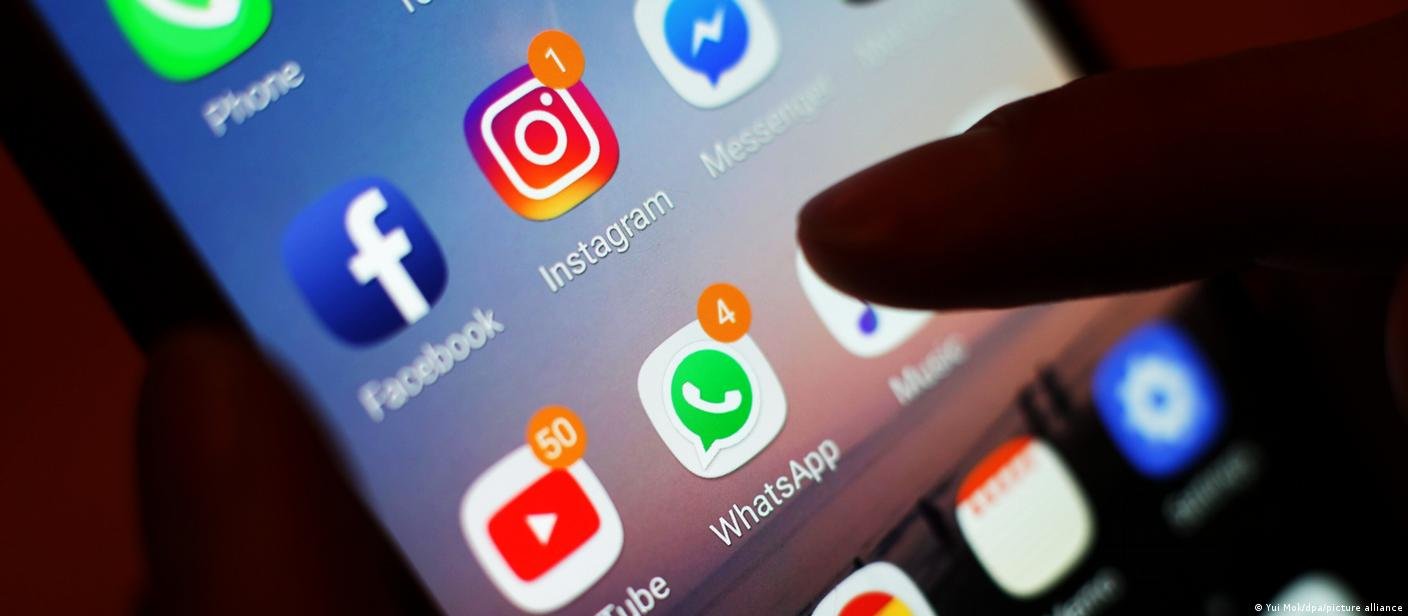
The Danish government identified Snapchat, YouTube, Instagram, and TikTok as the most widely used platforms among children.
According to a Danish Competition and Consumer Authority study released in February, children in Denmark spend an average of 2 hours and 40 minutes per day on social media. The report linked excessive screen time to anxiety, reduced sleep quality, and behavioral challenges — key factors motivating the government’s policy response.
Global Context
Denmark’s move mirrors similar global trends, as several countries take steps to limit minors’ access to social media.
Last year, Australia introduced legislation prohibiting social media use for children under 16, while France and Spain have debated similar measures.
By advancing this proposal, Denmark joins a growing list of nations prioritizing digital well-being and child safety, marking a significant step in redefining how societies manage youth engagement with technology.