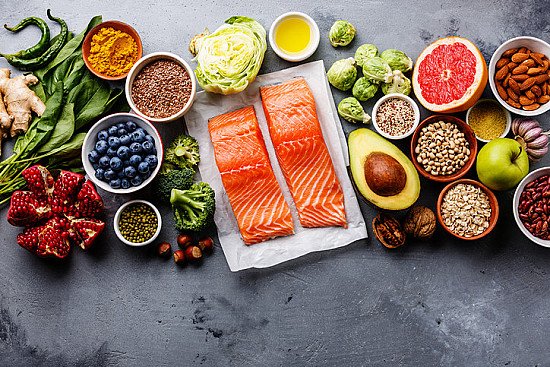
A groundbreaking study by scientists at the University of Missouri has found that consuming high-fat foods such as fish, nuts, and berries may help protect the brain from Alzheimer’s disease — particularly in individuals with a genetic risk for the condition.
Published in the Journal of Neurochemistry, the research highlights how a ketogenic diet — one that is high in fats and low in carbohydrates — can slow or even prevent the decline of brain function in people carrying the APOE4 gene, known as the most significant genetic risk factor for Alzheimer’s.
The Role of the APOE4 Gene
The APOE4 gene has long been linked to early signs of brain metabolic dysfunction and changes in gut bacteria. Individuals carrying this gene are significantly more likely to develop Alzheimer’s later in life.
The University of Missouri team aimed to determine whether dietary changes could influence how this gene functions. Their research found that modifying one’s diet may directly affect early brain and gut activity, potentially reducing the risk of Alzheimer’s before symptoms emerge.
Diet as a Preventive Strategy
The study revealed that foods rich in healthy fats — including fatty fish, walnuts, almonds, and berries — play a crucial role in maintaining metabolic balance in the brain. By encouraging the body to rely on fats rather than carbohydrates for energy, the ketogenic diet may help protect brain cells from deterioration associated with aging and neurodegenerative diseases.
Lead researchers explained that the diet not only improves brain metabolism but also reduces inflammation and strengthens gut-brain communication, which are vital in preventing cognitive decline.
Future Implications
While the results are promising, scientists caution that more long-term human studies are needed to fully understand the benefits and potential risks of a ketogenic lifestyle — especially for those genetically predisposed to Alzheimer’s.
Still, the findings offer hope for a preventive nutritional approach that could one day help millions of people at risk of developing the disease.