Islamabad/Moscow/Tehran — May 5, 2025:
Amid rising tensions between India and Pakistan following the deadly April 22 attack in Pahalgam, Indian Illegally Occupied Jammu and Kashmir (IIOJK), both Russia and Iran have called for restraint and diplomatic resolution to prevent further escalation between the two nuclear-armed neighbors.
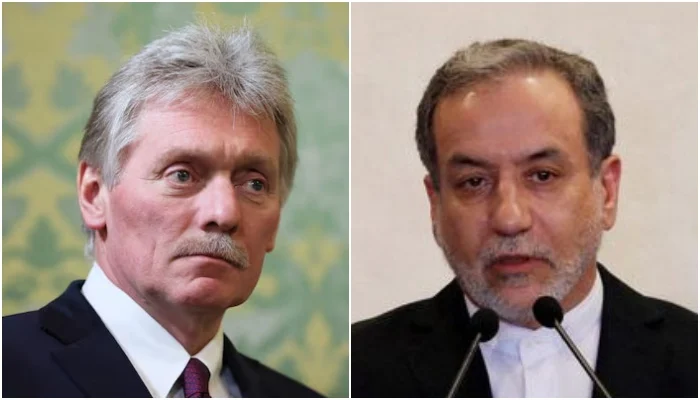
The Kremlin on Monday expressed “great concern” over the situation on the Line of Control (LoC), with spokesman Dmitry Peskov stating, “We hope that the parties will be able to take measures that will reduce tensions… we are following with great concern the tense atmosphere that has developed on the border.”
The recent attack, which left 26 tourists dead, has severely strained relations. New Delhi has accused Islamabad of orchestrating the attack, a claim that Pakistan has vehemently rejected, labelling it “baseless” and politically motivated. Islamabad maintains it has “credible intelligence” that India is preparing for military action, further heightening fears of armed conflict.
Russia, traditionally seen as closer to India, has signaled a willingness to mediate. The Russian Foreign Ministry confirmed that Foreign Minister Sergey Lavrov held calls with both sides last week. President Vladimir Putin also reaffirmed Russia’s strategic alliance with India during a phone conversation with Prime Minister Narendra Modi, but emphasized that Russia values its ties with both India and Pakistan.
“India is our strategic partner. Pakistan is also our partner. We value our relations with both Delhi and Islamabad,” Peskov added.
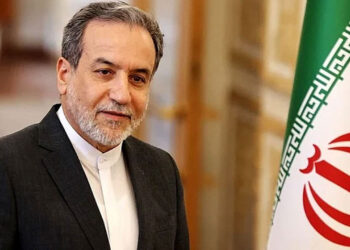
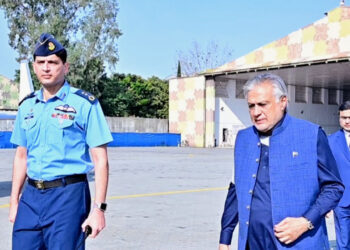
Meanwhile, Iran’s Foreign Minister Abbas Araqchi arrived in Islamabad on a one-day visit, urging both countries to exercise restraint. Speaking to reporters upon arrival, he said, “We seek de-escalation and urge all parties to avoid increasing tensions.” Araqchi is scheduled to visit New Delhi on Thursday, with Iran’s embassy in India confirming the travel plans.
The Iranian Ambassador to Pakistan, Reza Amiri Moghadam, said the issue would be discussed, citing Tehran’s strong bilateral relations with both countries.
In response to the growing tension, Pakistan’s Foreign Minister Ishaq Dar spoke to his Russian counterpart over the weekend, according to the Foreign Office. Lavrov reportedly emphasized the importance of diplomacy and restraint and discouraged escalation. Pakistan has also asked its envoy to the United Nations to seek a UN Security Council meeting to brief members on what it describes as “India’s aggressive actions” endangering regional peace.
India’s Ministry of External Affairs has so far refrained from responding to the new mediation proposals but has traditionally rejected third-party involvement in Kashmir-related matters.
As global powers voice concern, the situation remains highly volatile, with the potential to spiral if not managed through swift diplomatic engagement.