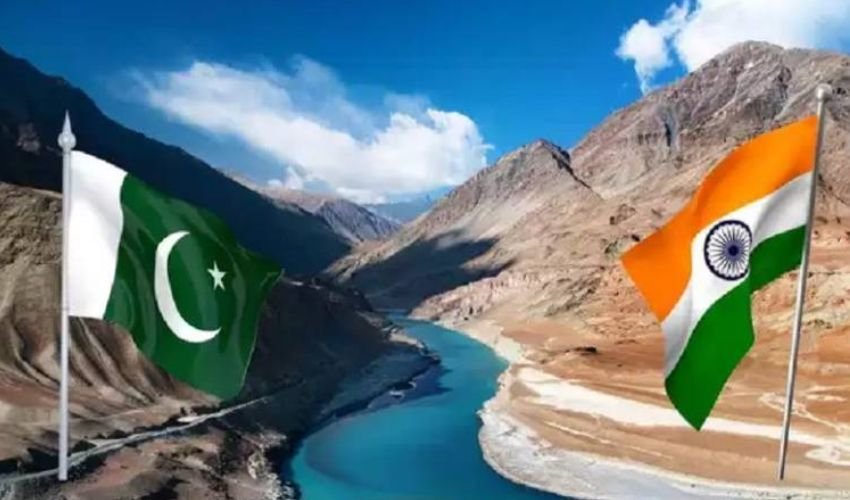
Islamabad, 2 May 2025 — In a significant diplomatic escalation, Pakistan has decided to formally serve a notice to India over the latter’s suspension of the Indus Waters Treaty, a foundational water-sharing agreement between the two nuclear-armed neighbors. This decision, confirmed by senior officials on Friday, marks a rare and serious diplomatic move aimed at countering what Islamabad terms “unilateral and unjustified” actions by New Delhi.
Sources close to the matter disclosed that consultations are ongoing among Pakistan’s Ministry of Water Resources, Ministry of Law, and Ministry of Foreign Affairs to finalize the legal framework of the notice. The diplomatic communication is expected to be dispatched through formal channels in the coming days.
“The aim of this step is to provide both legal and moral justification for Pakistan’s stance,” said a senior government official, speaking on condition of anonymity. “We are seeking concrete reasons from India for suspending a treaty that has served as a cornerstone of regional water cooperation since 1960.”
The Indus Waters Treaty (IWT), brokered by the World Bank and signed in 1960, has withstood the test of time, surviving wars and numerous political standoffs between the two countries. However, New Delhi’s recent decision to suspend its obligations under the treaty has triggered alarm in Islamabad and prompted plans for international legal action.
Officials have confirmed that Pakistan is considering raising the issue on multilateral forums and may formally lodge a protest in the United Nations and other global platforms. The move is aimed at exposing what Pakistan terms “India’s water aggression” to the broader international community.
“All actions will be contingent upon cabinet approval,” said an official from the Water Resources Ministry. “A unified legal and diplomatic strategy is being coordinated at the highest levels.”
Pakistan insists it has consistently complied with the treaty and has never been found in breach of its terms. A senior source emphasized that the country’s legal position remains strong, bolstered by the involvement of a specially constituted think tank comprising water, legal, and diplomatic experts. This think tank is expected to present its findings to Prime Minister Shehbaz Sharif in the coming days.
Depending on the recommendations, Pakistan may also formally request the World Bank to intervene as a guarantor of the treaty. The Prime Minister’s Office has already been briefed on the implications of India’s move, which Islamabad believes could set a dangerous precedent if left unchallenged.
“The Indus Waters Treaty is not just about water rights. It is one of the most successful examples of international conflict resolution. Undermining it for political purposes threatens regional peace and the integrity of international law,” another official remarked.
While Pakistan prepares for a formal response, the Foreign Office has declined public comment, citing the sensitivity of the issue. The World Bank, too, has yet to release any public statement regarding the developments.
This unfolding situation has the potential to become a significant flashpoint in already tense India-Pakistan relations, with wider implications for regional stability and environmental governance in South Asia.