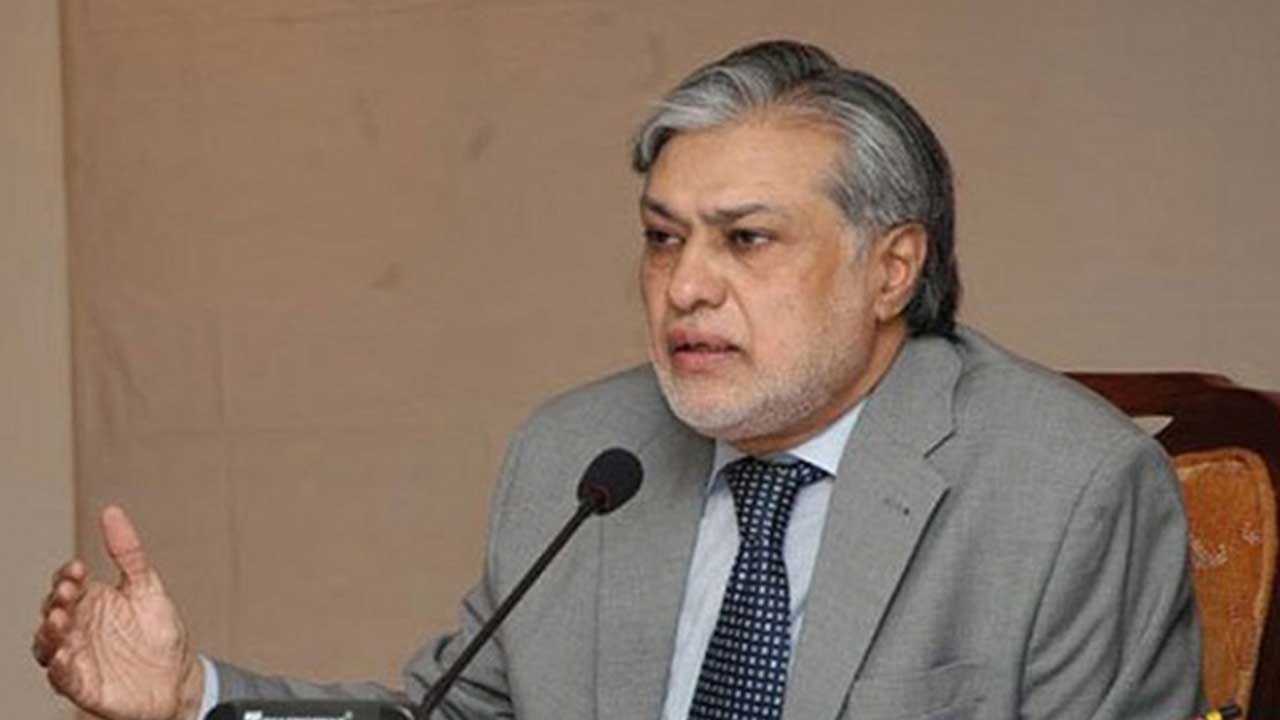
Ishaq Dar Tips Pakistan to be Part of G20 by 2030
Ishaq Dar, a former finance minister, has voiced hope that Pakistan will be able to join the Group of Twenty (G20) by 2030. This audacious forecast is predicated on the nation’s capacity for economic expansion, continuous structural changes, and initiatives to strengthen international trade alliances. Pakistan would become one of the biggest economies in the world and achieve a historic milestone if it were to join the G20.
The Economic Goals of Pakistan
With the greatest economies in the world making up a sizable portion of global GDP, trade, and investment, the G20 is a powerful organization. By attaining consistent economic development, strengthening its position in global commerce, and improving macroeconomic stability, Pakistan, a developing economy, hopes to become a member of this select group.
Ishaq Dar underlined that Pakistan’s strategic location, expanding sectors, and economic foundations offer a solid basis for its admission. But attaining this objective calls for sustained dedication, uniform policies, and institutional advancements.
Important Elements Underpinning Pakistan’s G20 Aspirations
Ishaq Dar believes that Pakistan can join the G20 by 2030 for a number of reasons:
1. Reforms & Economic Growth
Pakistan has been concentrating on economic reforms to improve the investment climate, industrial growth, and productivity. Stronger economic performance may result from recent advancements in financial policies, taxation, and digital change.
2. Growing International Investment and Trade
To promote economic growth, the government has been aggressively pursuing trade agreements and foreign direct investment (FDI). Pakistan’s position in international trade may be greatly enhanced by fortifying its connections with China, the Middle East, and the West.
3. Development of Infrastructure and Energy
It is anticipated that initiatives like the China-Pakistan Economic Corridor (CPEC) will improve energy infrastructure, industrial capacity, and connectivity. Pakistan’s economic growth and ability to compete internationally depend heavily on its infrastructure.
4. Growth of the Digital and IT Sector
Initiatives for digital transformation and Pakistan’s developing IT sector have the potential to greatly boost GDP growth. The nation is positioned as a rising force in the global digital economy because to its expanding startup environment and burgeoning IT exports.
5. Workforce & Demographic Dividend
Pakistan has the capacity to use its human capital for innovation, entrepreneurship, and industrial growth because of its youthful and vibrant labor force. Global competitiveness and economic development can be fueled by a skilled work force.
Obstacles in the Way of the G20
Although Ishaq Dar’s forecast is audacious, a number of obstacles need to be overcome in order for G20 membership to become a reality:
1. Stability of the macroeconomy
To draw in investors and bolster economic resilience, Pakistan must continue to practice fiscal restraint, maintain stable inflation, and implement a sustainable debt plan.
2. Policy Continuity & Governance
Long-term economic planning has been hampered by political unrest and frequent policy changes. Reaching growth goals requires an economic policy framework that is transparent and consistent.
3. Diversification of Industry and Exports
Pakistan needs to diversify its exports beyond textiles and agriculture in order to compete on a global scale. Priority should be given to high-value sectors including technology, engineering, and pharmaceuticals.
4. Climate & Environmental Challenges
Pakistan faces environmental risks such as water scarcity and climate change, which could impact agricultural productivity and infrastructure development. Sustainable economic policies are needed to mitigate these challenges.
In conclusion
Ishaq Dar’s forecast that Pakistan will join the G20 by 2030 is a lofty but doable objective provided the appropriate reforms and policies are put in place. Although there are still obstacles to overcome, Pakistan’s young workforce, strategic efforts, and economic potential provide a route to international economic significance. Pakistan can rank among the top economies in the world in the upcoming ten years if it makes consistent efforts in trade, investment, and governance.