35 Pakistani universities feature in QS Subject Rankings 2026
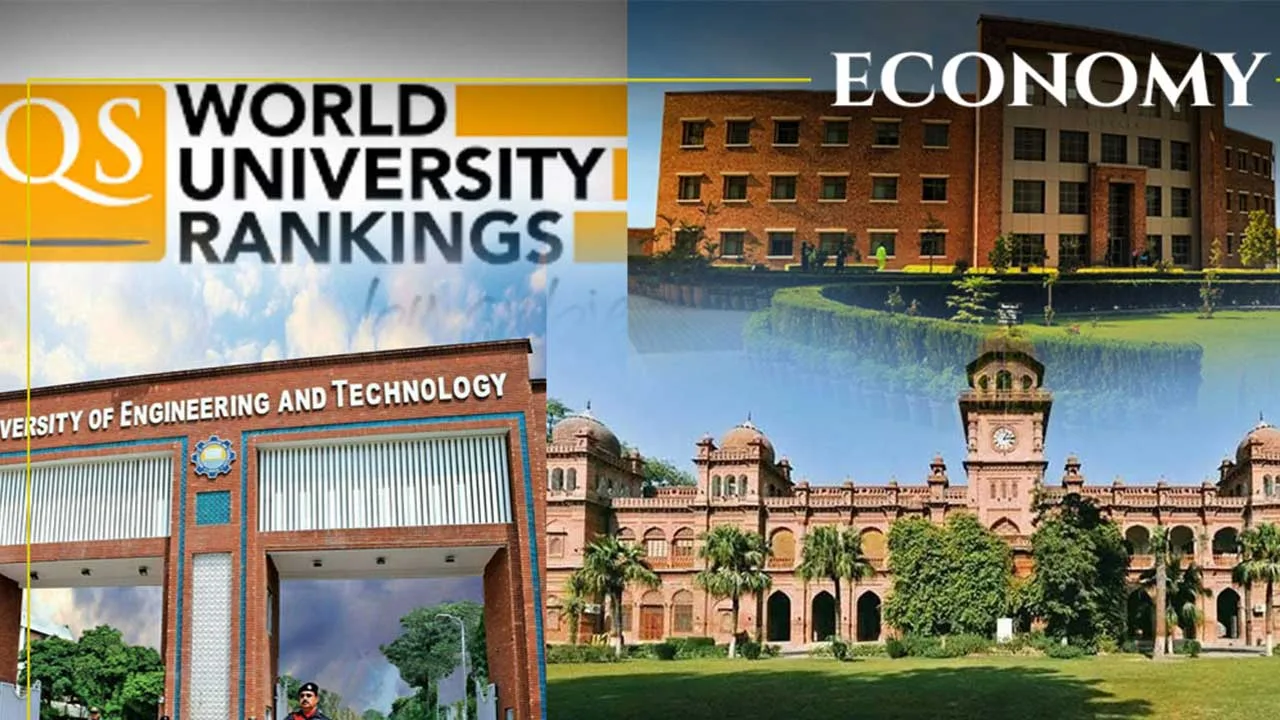
Pakistan’s higher education sector continues to make steady progress on the regional stage, with 35 universities from Pakistan featured in the QS World University Rankings by Subject 2026, collectively covering around 180 subject entries.
The latest rankings highlight Pakistan’s growing strength in engineering, technology, and agricultural sciences, while also pointing out gaps in global visibility—particularly among institutions outside major academic hubs like Islamabad and Lahore.
What QS Rankings Measure
The QS World University Rankings are among the most widely recognized global benchmarks for higher education institutions. They assess universities based on multiple performance indicators to provide a comprehensive view of academic quality and global competitiveness.
For 2026, QS evaluated universities using nine key indicators:
- Academic Reputation (30%) – Based on global academic surveys
- Citations per Faculty (20%) – Measures research impact
- Employer Reputation (15%) – Reflects graduate employability
- Faculty-to-Student Ratio (10%) – Indicates teaching quality
- International Faculty (5%) – Measures global academic diversity
- International Students (5%) – Reflects global student presence
- International Research Network (5%) – Collaboration with global institutions
- Employment Outcomes (5%) – Career success of graduates
- Sustainability (5%) – Environmental and social impact
Together, these indicators evaluate universities across teaching, research, employability, and international engagement.
Pakistan’s Overall Performance
The inclusion of 35 Pakistani universities in the 2026 rankings demonstrates continued improvement in higher education standards. However, experts note that:
- Strong performance is concentrated in technical and applied sciences
- Agriculture-related disciplines also show solid global positioning
- Many institutions still lag in international exposure and research collaboration
This suggests a need for broader investment in research infrastructure and global partnerships.
NUST Leads the Way
Among Pakistani institutions, the National University of Sciences and Technology stands out as a top performer.
- National Rank: 3rd
- Asia Rank: 68
- Overall Score: 76
NUST demonstrated strong performance in:
- Academic Reputation: 75.1
- Citations per Paper: 74.5
- Papers per Faculty: 54
In subject-specific rankings:
- Ranked 201–250 in Engineering & Technology
- Ranked 201–300 in Computer Science
These results reinforce NUST’s position as a leading institution in technical education and research within Pakistan and the wider region.
Key Insights & Challenges
While Pakistan’s presence in global rankings is growing, several challenges remain:
- Limited international recognition for smaller universities
- Need for stronger industry-academia linkages
- Improvement required in research output and global collaboration
- Greater focus needed on diversity and sustainability metrics
Conclusion
The QS World University Rankings by Subject 2026 reflect a positive trajectory for Pakistan’s higher education sector, especially in technical fields. However, to compete globally, universities must focus on research excellence, international partnerships, and innovation-driven education.
With continued investment and policy support, Pakistan has the potential to further strengthen its global academic footprint in the coming years.
Related stories
 Breaking
BISE Sahiwal 11th Class Result 2026 Announced: How to Check
 Education
Japan-Funded Girls’ Primary School Opens in Islamabad
 Education
4,000 Free AI Subscriptions for Pakistan: How Students and Teachers Could Benefit
 Education
LHC Orders MDCAT Question Papers, Codes Be Kept Online
 Middle East
Iran Backs Makkah Defence Pact, Ready to Join Unity Efforts
 Government